Understanding the Adaptation Challenge in Orthodontic Treatment
The journey towards a perfectly aligned smile has long been associated with a period of adjustment that can test even the most determined patients. Traditional fixed orthodontic appliances, whilst undeniably effective, present a rather formidable adaptation challenge that extends well beyond the initial fitting appointment. The discomfort, speech alterations, and dietary restrictions that accompany metal brackets and wires have become an accepted, if unwelcome, part of the orthodontic experience for generations of patients.
However, the landscape of orthodontic treatment has evolved considerably in recent years, with clear aligner systems offering a compelling alternative that addresses many of the adaptation difficulties inherent in traditional approaches. The distinction between these two treatment modalities becomes particularly evident when examining the initial adjustment period and the ongoing comfort levels experienced throughout treatment. Understanding these differences provides valuable insight into why many patients now seek out Invisalign in Plymouth and other locations as their preferred orthodontic solution.
The Biomechanical Advantages of Removable Aligners
The fundamental design differences between clear aligners and fixed appliances create markedly different experiences during the adaptation phase. Traditional braces apply continuous pressure through metal brackets bonded to teeth and connected by archwires, creating multiple points of contact that can irritate soft tissues. The mouth must accommodate these permanent fixtures, leading to ulcerations, speech impediments, and considerable initial discomfort that typically persists for several weeks.
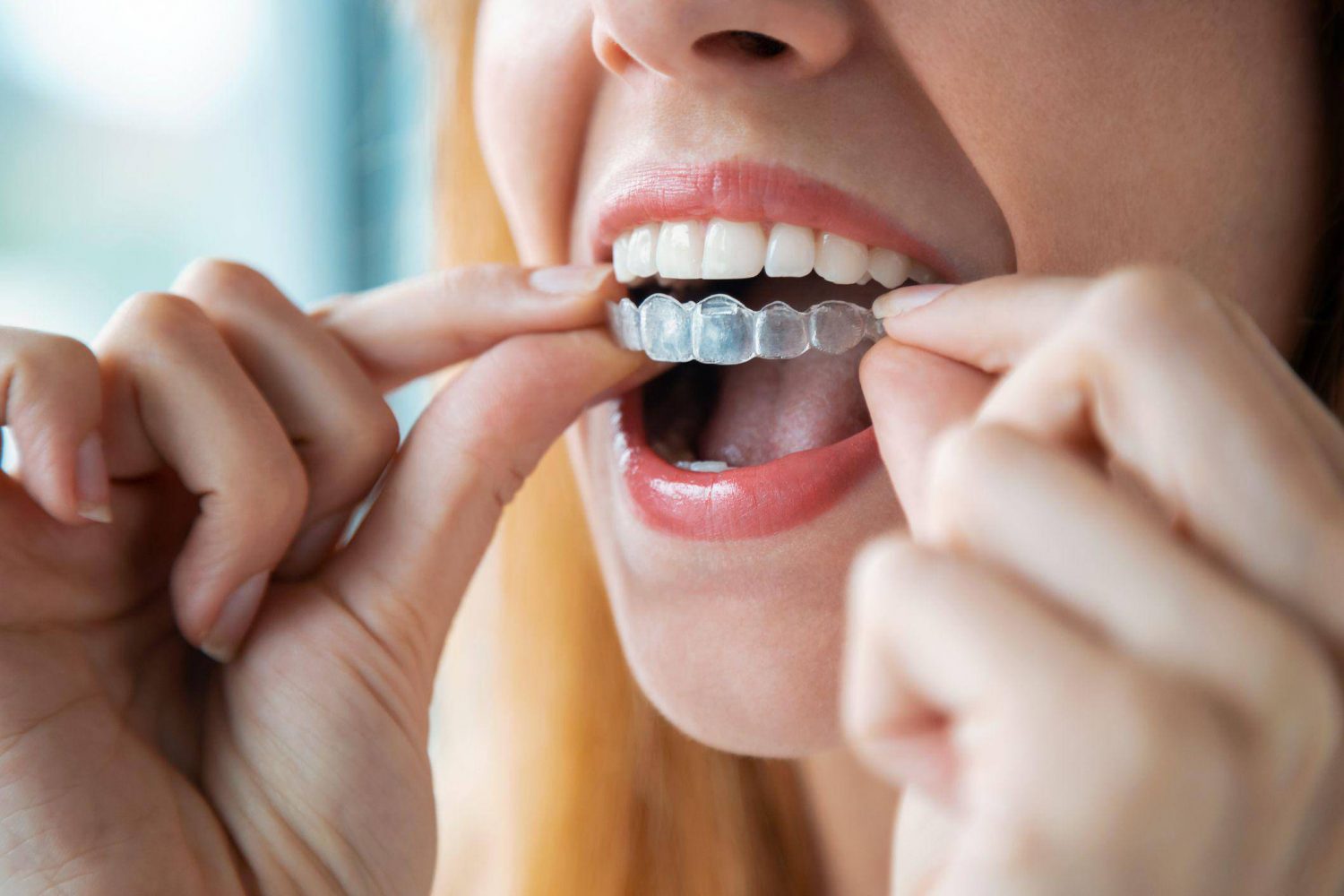
Clear aligner systems operate on an entirely different principle, utilising smooth, custom-fabricated thermoplastic trays that envelop the teeth without sharp edges or protruding components. Research into patient-reported outcomes in orthodontic treatment has demonstrated that this design significantly reduces soft tissue irritation and allows for a more gradual adjustment process. The removable nature of these appliances means patients can temporarily relieve any pressure, making the adaptation period considerably more manageable than with fixed alternatives.
Speech Adaptation and Linguistic Comfort
One of the most immediate challenges faced by orthodontic patients involves maintaining clear speech patterns whilst accommodating new oral structures. Fixed appliances can significantly alter tongue placement and airflow, leading to lisping and articulation difficulties that may persist for weeks or even months. The bulkiness of brackets and the positioning of wires create obstacles that the tongue must navigate with every word spoken.
Clear aligners, whilst initially affecting speech due to their coverage of the teeth, present a far less intrusive barrier to normal articulation. The thin, precisely contoured design allows the tongue greater freedom of movement, and most patients report achieving normal speech patterns within just a few days. This rapid linguistic adaptation represents a considerable quality-of-life improvement during the crucial early stages of treatment, when patients are simultaneously adjusting to numerous other changes in their oral environment.
Dietary Freedom and Nutritional Considerations
The dietary restrictions imposed by traditional orthodontic appliances constitute another significant adaptation challenge that extends throughout the entire treatment duration. Patients with fixed braces must permanently avoid hard, sticky, and chewy foods that could damage brackets or become lodged in the apparatus. This limitation not only affects nutritional choices but also impacts social experiences and the simple pleasure of enjoying favourite foods.
The removable nature of clear aligners eliminates these dietary concerns entirely, allowing patients to maintain their normal eating habits without restriction. This freedom significantly eases the psychological adaptation to orthodontic treatment, as patients need not fundamentally alter their lifestyle or feel self-conscious during meals. The ability to remove aligners for eating also facilitates superior oral hygiene practices, contributing to better overall outcomes and reducing the risk of complications that might extend treatment duration.
Pain Management and Physical Comfort
Discomfort levels during orthodontic treatment vary considerably between fixed and removable appliances. Studies examining pain perception in orthodontic patients have revealed that clear aligner users typically experience less severe discomfort and require fewer analgesics during treatment. The gradual, controlled force application inherent in aligner systems creates a gentler orthodontic experience compared to the more aggressive adjustments often necessary with traditional braces.
Embracing a More Comfortable Orthodontic Future
The evidence supporting faster adaptation periods with clear aligner systems is both compelling and multifaceted. From reduced soft tissue irritation to maintained dietary freedom and improved speech comfort, these removable appliances address the primary challenges that have historically made orthodontic treatment a daunting prospect.
For those considering Invisalign in Plymouth or elsewhere, understanding these adaptation advantages provides reassurance that modern orthodontic treatment need not involve the prolonged discomfort once considered inevitable. The long-term benefits extend well beyond the treatment phase, with evidence suggesting positive outcomes for dental stability following completion.
As orthodontic technology continues advancing, patient comfort and rapid adaptation remain paramount considerations in treatment selection.