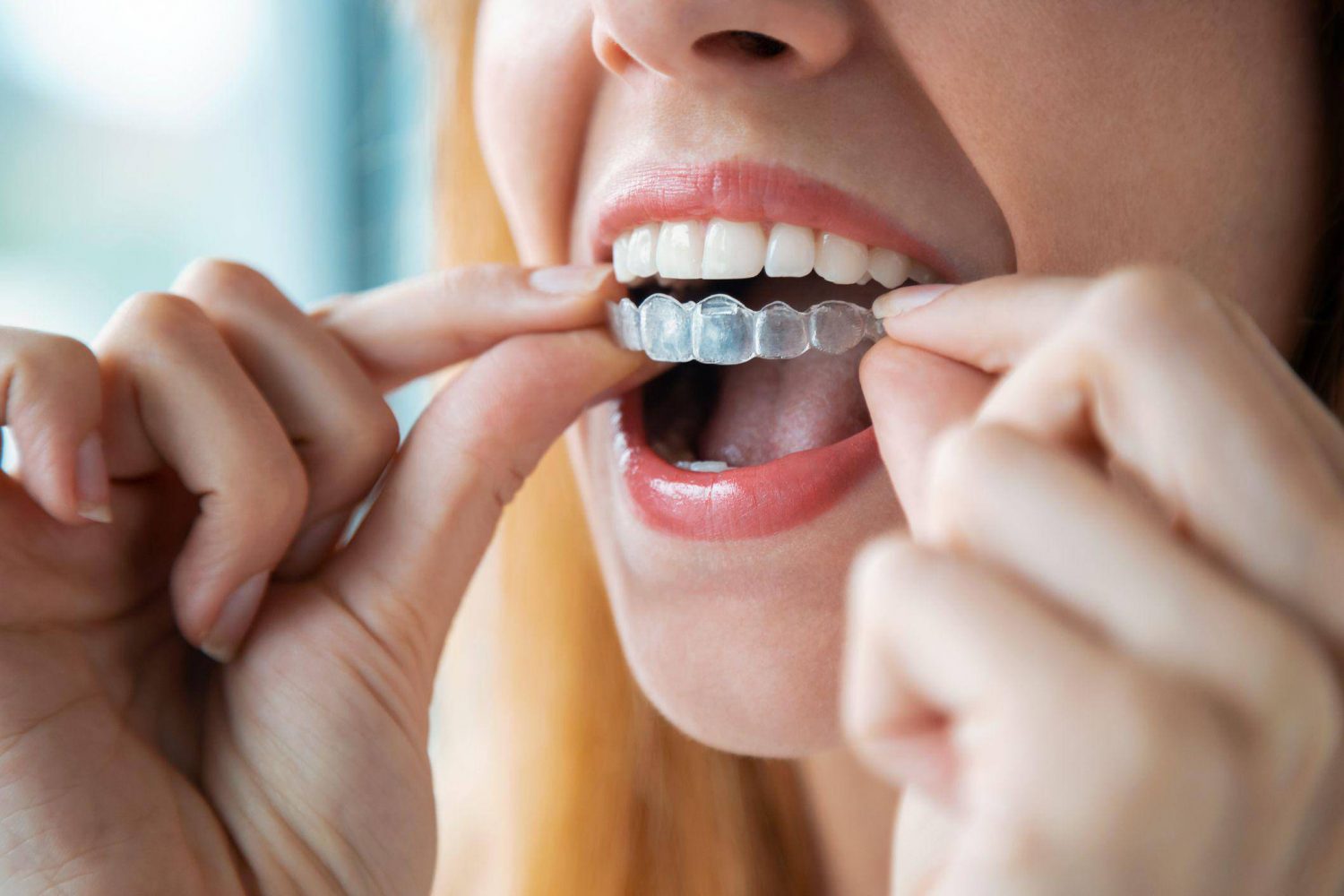
How Invisalign Aligners Facilitate Faster Adaptation Periods Compared to Fixed Orthodontic Appliances

How Invisalign Aligners Facilitate Faster Adaptation Periods Compared to Fixed Orthodontic Appliances

Understanding the Adaptation Challenge in Orthodontic Treatment

The journey towards a perfectly aligned smile has long been associated with a period of adjustment that can test even the most determined patients. Traditional fixed orthodontic appliances, whilst undeniably effective, present a rather formidable adaptation challenge that extends well beyond the initial fitting appointment. The discomfort, speech alterations, and dietary restrictions that accompany metal brackets and wires have become an accepted, if unwelcome, part of the orthodontic experience for generations of patients.

However, the landscape of orthodontic treatment has evolved considerably in recent years, with clear aligner systems offering a compelling alternative that addresses many of the adaptation difficulties inherent in traditional approaches. The distinction between these two treatment modalities becomes particularly evident when examining the initial adjustment period and the ongoing comfort levels experienced throughout treatment. Understanding these differences provides valuable insight into why many patients now seek out Invisalign in Plymouth and other locations as their preferred orthodontic solution.

The Biomechanical Advantages of Removable Aligners

The fundamental design differences between clear aligners and fixed appliances create markedly different experiences during the adaptation phase. Traditional braces apply continuous pressure through metal brackets bonded to teeth and connected by archwires, creating multiple points of contact that can irritate soft tissues. The mouth must accommodate these permanent fixtures, leading to ulcerations, speech impediments, and considerable initial discomfort that typically persists for several weeks.
How Invisalign Aligners Facilitate Faster Adaptation Periods Compared to Fixed Orthodontic Appliances

Clear aligner systems operate on an entirely different principle, utilising smooth, custom-fabricated thermoplastic trays that envelop the teeth without sharp edges or protruding components. Research into patient-reported outcomes in orthodontic treatment has demonstrated that this design significantly reduces soft tissue irritation and allows for a more gradual adjustment process. The removable nature of these appliances means patients can temporarily relieve any pressure, making the adaptation period considerably more manageable than with fixed alternatives.

Speech Adaptation and Linguistic Comfort

One of the most immediate challenges faced by orthodontic patients involves maintaining clear speech patterns whilst accommodating new oral structures. Fixed appliances can significantly alter tongue placement and airflow, leading to lisping and articulation difficulties that may persist for weeks or even months. The bulkiness of brackets and the positioning of wires create obstacles that the tongue must navigate with every word spoken.

Clear aligners, whilst initially affecting speech due to their coverage of the teeth, present a far less intrusive barrier to normal articulation. The thin, precisely contoured design allows the tongue greater freedom of movement, and most patients report achieving normal speech patterns within just a few days. This rapid linguistic adaptation represents a considerable quality-of-life improvement during the crucial early stages of treatment, when patients are simultaneously adjusting to numerous other changes in their oral environment.

Dietary Freedom and Nutritional Considerations

The dietary restrictions imposed by traditional orthodontic appliances constitute another significant adaptation challenge that extends throughout the entire treatment duration. Patients with fixed braces must permanently avoid hard, sticky, and chewy foods that could damage brackets or become lodged in the apparatus. This limitation not only affects nutritional choices but also impacts social experiences and the simple pleasure of enjoying favourite foods.

The removable nature of clear aligners eliminates these dietary concerns entirely, allowing patients to maintain their normal eating habits without restriction. This freedom significantly eases the psychological adaptation to orthodontic treatment, as patients need not fundamentally alter their lifestyle or feel self-conscious during meals. The ability to remove aligners for eating also facilitates superior oral hygiene practices, contributing to better overall outcomes and reducing the risk of complications that might extend treatment duration.

Pain Management and Physical Comfort

Discomfort levels during orthodontic treatment vary considerably between fixed and removable appliances. Studies examining pain perception in orthodontic patients have revealed that clear aligner users typically experience less severe discomfort and require fewer analgesics during treatment. The gradual, controlled force application inherent in aligner systems creates a gentler orthodontic experience compared to the more aggressive adjustments often necessary with traditional braces.

Embracing a More Comfortable Orthodontic Future

The evidence supporting faster adaptation periods with clear aligner systems is both compelling and multifaceted. From reduced soft tissue irritation to maintained dietary freedom and improved speech comfort, these removable appliances address the primary challenges that have historically made orthodontic treatment a daunting prospect.

For those considering Invisalign in Plymouth or elsewhere, understanding these adaptation advantages provides reassurance that modern orthodontic treatment need not involve the prolonged discomfort once considered inevitable. The long-term benefits extend well beyond the treatment phase, with evidence suggesting positive outcomes for dental stability following completion.

As orthodontic technology continues advancing, patient comfort and rapid adaptation remain paramount considerations in treatment selection.

Innovative Approaches to Long-Term Dental Health Transformation

Innovative Approaches to Long-Term Dental Health Transformation

The Evolution of Modern Dental Care

The landscape of dental health has undergone a remarkable transformation in recent years, moving far beyond the traditional drill-and-fill approach that once dominated the profession. The dentist Stevenage are embracing cutting-edge technologies and preventative methodologies that promise to revolutionise how we maintain our oral health throughout our lifetimes. This shift represents not merely an advancement in technique but a fundamental reimagining of what comprehensive dental care can achieve.

Modern dental practices are increasingly adopting holistic approaches that consider the mouth as an integral part of overall health, rather than treating it as an isolated system. This perspective has led to innovative treatment protocols that address the underlying causes of dental problems rather than simply managing symptoms. The integration of digital technology, biomimetic materials, and personalised treatment plans has created unprecedented opportunities for long-term oral health maintenance.

Revolutionary Technologies Reshaping Dental Practice

The integration of artificial intelligence and machine learning into dental diagnostics has opened new frontiers in early detection and treatment planning. Advanced imaging systems now provide three-dimensional views of oral structures with remarkable precision, allowing practitioners to identify potential issues long before they become problematic. These technologies enable dental professionals to create highly accurate treatment predictions and develop personalised care strategies tailored to each patient’s unique oral environment.

Digital smile design has emerged as a particularly exciting development, combining aesthetic principles with functional considerations to create treatment outcomes that enhance both appearance and long-term health. This technology allows patients to visualise potential results before treatment begins, whilst enabling practitioners to plan procedures with unprecedented accuracy. The result is more predictable outcomes and higher patient satisfaction rates.

Minimally Invasive Treatment Approaches

Contemporary dental practice increasingly emphasises the preservation of natural tooth structure through minimally invasive techniques. Laser dentistry, for instance, offers precise treatment options that reduce trauma to surrounding tissues and promote faster healing. These approaches not only improve patient comfort but also contribute to better long-term outcomes by maintaining the integrity of natural oral structures wherever possible.

The development of bioactive materials that can actually stimulate natural healing processes represents another significant advancement. These materials work in harmony with the body’s natural repair mechanisms, promoting regeneration of damaged tissues and providing long-lasting protection against future problems. Such innovations are particularly valuable when seeking care from a skilled dentist Stevenage for comprehensive oral health solutions.

Preventative Strategies and Patient Empowerment

The most significant transformation in modern dental care lies in the shift towards preventative strategies that empower patients to take control of their oral health. Advanced risk assessment tools now enable practitioners to identify individuals who may be predisposed to specific dental conditions, allowing for targeted interventions before problems develop. This proactive approach represents a fundamental departure from reactive treatment models that previously dominated the field.

Personalised oral hygiene protocols, developed through comprehensive analysis of individual risk factors and lifestyle considerations, are proving remarkably effective in maintaining long-term dental health. These tailored approaches consider factors such as diet, genetics, medication use, and existing health conditions to create bespoke maintenance programmes. Transformative home dental care strategies are becoming increasingly sophisticated, incorporating evidence-based techniques that maximise effectiveness whilst fitting seamlessly into daily routines.

The Role of Biotechnology in Dental Innovation

Regenerative dentistry represents perhaps the most exciting frontier in oral health transformation. Stem cell therapy and tissue engineering techniques are showing remarkable promise in restoring damaged or lost oral tissues. These approaches harness the body’s natural healing capabilities to regenerate bone, periodontal ligaments, and even entire tooth structures. Such innovations suggest a future where tooth loss may become largely preventable or reversible.

The development of smart materials that respond dynamically to changes in the oral environment offers another revolutionary approach to long-term dental health. These materials can release therapeutic agents in response to specific triggers, providing ongoing protection against bacterial invasion and acid erosion. The future of dental technology promises even more sophisticated solutions that will further enhance our ability to maintain optimal oral health throughout life.

Looking Towards the Future of Dental Health

The transformation of dental care continues to accelerate, driven by ongoing research and technological advancement. Modern dental techniques are fundamentally reshaping oral health outcomes, offering unprecedented opportunities for long-term wellness. As these innovative approaches become more widely available, patients can look forward to a future where maintaining excellent oral health becomes increasingly achievable and sustainable.

The integration of technology, preventative care, and patient empowerment creates a comprehensive framework for dental health transformation that benefits individuals and communities alike, establishing new standards for what optimal oral health can truly represent.

Orthodontics and the Science of Smile Longevity

Orthodontics and the Science of Smile Longevity

The Transformative Power of Modern Orthodontics

The field of orthodontics has evolved significantly over the past few decades, revolutionising the way dental professionals approach smile correction and oral health maintenance. With cutting-edge technology and advanced treatment methods, visiting an orthodontist London residents trust has become an investment in long-term dental wellness rather than merely a cosmetic choice.

Understanding the Science Behind Orthodontic Treatment

Modern orthodontic treatments offer comprehensive solutions that extend far beyond aesthetic improvements. The science of orthodontics focuses on the intricate relationship between teeth, jaw alignment, and overall oral health, creating a foundation for lasting dental wellness.

Biological Mechanisms of Tooth Movement

The process of orthodontic treatment relies on the remarkable ability of bones to remodel themselves in response to sustained pressure. When orthodontic appliances apply gentle forces to teeth, they trigger a cascade of biological responses in the surrounding tissues. This carefully controlled process allows teeth to move gradually into their optimal positions whilst maintaining their structural integrity.

Long-term Benefits of Proper Alignment

Research has demonstrated that properly aligned teeth can significantly extend dental longevity, offering numerous advantages that contribute to oral health maintenance. These benefits include:

  • Improved distribution of bite forces
  • Reduced wear and tear on tooth enamel
  • Enhanced ability to maintain proper oral hygiene
  • Decreased risk of periodontal disease

The Role of Technology in Modern Orthodontics

Contemporary orthodontic practices have embraced technological innovations that enhance treatment precision and patient comfort. Digital imaging, 3D scanning, and computer-aided treatment planning have transformed the way orthodontists approach smile correction. These advanced tools enable practitioners to create highly personalised treatment plans that consider each patient’s unique dental structure and aesthetic goals.

Advanced Treatment Options

Today’s orthodontic patients benefit from a wide range of treatment options that can be tailored to their specific needs. From traditional metal braces to virtually invisible aligners, the variety of available solutions ensures that every patient can find a treatment approach that suits their lifestyle and preferences.

Preventive Aspects of Orthodontic Care

Whilst many people associate orthodontics with corrective treatment, preventive orthodontic care plays a crucial role in maintaining long-term oral health. Early intervention can identify and address potential issues before they develop into more serious problems. This proactive approach is particularly beneficial for young patients, whose developing dental structures can be guided towards optimal alignment.

Maintaining Treatment Results

Post-treatment retention strategies are essential for maintaining orthodontic results throughout one’s lifetime. The retention phase is just as important as the active treatment phase, requiring dedication from both the practitioner and the patient to ensure the longevity of the achieved results.

Impact on Overall Health and Well-being

The benefits of orthodontic treatment extend beyond the mouth, contributing to overall health and well-being. Proper dental alignment can improve speech, enhance digestive function through better chewing, and reduce the risk of temporomandibular joint (TMJ) disorders. Furthermore, when seeking an orthodontist, specialists emphasise that corrected dental issues often lead to improved self-confidence and social interactions.

The Connection to Systemic Health

Research continues to uncover connections between oral health and systemic conditions. Properly aligned teeth and a well-functioning bite can contribute to better general health outcomes. When teeth are correctly positioned, patients find it easier to maintain good oral hygiene, reducing the risk of various health complications associated with poor dental care.

Advancing Towards a Brighter Future

As orthodontic science continues to advance, patients can look forward to even more sophisticated treatment options. The integration of artificial intelligence and machine learning in orthodontic planning promises to further enhance treatment precision and predictability. These developments, combined with an orthodontist’s commitment to excellence, ensure that patients receive the highest standard of care for their dental needs.

The journey towards achieving and maintaining a healthy, beautiful smile is a collaborative effort between dental professionals and patients. Through understanding the science behind orthodontic treatment and following recommended care protocols, individuals can enjoy the benefits of their improved smiles for years to come. The future of orthodontics holds exciting possibilities for even more effective and comfortable treatment options, making the goal of a lasting, beautiful smile increasingly attainable for everyone.

Revolutionising Dental Care: The Science of Personalised Treatment

Revolutionising Dental Care: The Science of Personalised Treatment

The Transformation of Modern Dentistry

The landscape of dental care has undergone a remarkable evolution in recent years, particularly with the emergence of personalised treatment approaches. From advanced diagnostic tools to tailored treatment plans, modern dental practices, including every dentist in Canary Wharf, are embracing this revolutionary shift in patient care.

Understanding Personalised Dental Care

Personalised dental care represents a significant departure from the traditional one-size-fits-all approach. This innovative methodology considers each patient’s unique oral health needs, genetic predispositions, lifestyle factors, and treatment preferences. Recent advancements in personalised dental techniques have transformed how practitioners approach everything from routine check-ups to complex procedures.

Key Components of Personalised Treatment

Modern personalised dental care encompasses several crucial elements:

  • Comprehensive genetic analysis
  • Advanced digital imaging technology
  • Customised treatment planning
  • Individual risk assessment
  • Tailored preventive strategies

The Role of Technology in Personalisation

Digital innovations in dental care have revolutionised how practitioners diagnose and treat oral health conditions. Through the implementation of artificial intelligence and machine learning, dental professionals can now predict potential issues before they develop, allowing for more proactive and preventive care approaches. Every dentist Canary Wharf and beyond now has access to sophisticated tools that enable them to create detailed 3D models of patients’ oral structures, ensuring treatments are precisely tailored to individual needs. These technological advancements have particularly transformed areas such as orthodontics, implant placement, and cosmetic procedures.

Benefits of Personalised Dental Care

The advantages of personalised dental treatment extend far beyond improved patient outcomes. This approach offers:

  • More precise diagnostic capabilities
  • Enhanced treatment effectiveness
  • Improved patient comfort and satisfaction
  • Better long-term oral health outcomes
  • Reduced risk of complications

The Impact on Patient Experience

Through personalised treatment approaches, dental practitioners can now offer more comfortable and efficient care experiences. Modern personalised dental solutions have significantly reduced treatment times and improved patient comfort levels, making dental visits less daunting for those who experience anxiety.

Customised Prevention Strategies

One of the most significant advantages of personalised dental care is the ability to develop targeted prevention strategies. By understanding each patient’s unique risk factors, dental professionals can create specific preventive plans that address individual challenges. These might include:

  • Customised oral hygiene routines
  • Personalised dietary recommendations
  • Tailored preventive treatment schedules
  • Individual-specific protective measures

The Future of Dental Care

As technology continues to advance, every dentist Canary Wharf and throughout the UK will have access to increasingly sophisticated tools for personalised treatment. This ongoing evolution in dental care promises even more precise and effective treatments in the future.

Integration of Artificial Intelligence

The integration of AI in dental care is expected to further enhance personalisation capabilities. These systems will be able to:

  • Predict treatment outcomes with greater accuracy
  • Identify potential complications before they arise
  • Suggest optimal treatment timing
  • Monitor treatment progress in real-time

Moving Forward in Dental Innovation

The science of personalised dental treatment continues to evolve, promising even more exciting developments in the years ahead. As research advances and technology improves, patients can expect increasingly tailored and effective dental care solutions that consider their unique needs and circumstances. These innovations represent not just a change in how dental care is delivered, but a fundamental shift in how oral health is approached and maintained. Through continued advancement in personalised treatment methods, the future of dentistry looks brighter than ever, offering hope for better oral health outcomes for patients across all demographics.

Playful Approaches: Redefining Dental Marketing Through Gamification

Playful Approaches: Redefining Dental Marketing Through Gamification

The Evolution of Patient Engagement

In today’s digital landscape, dental marketing continues to evolve, embracing innovative strategies to connect with patients. One particularly engaging approach that has gained significant traction is gamification—the application of game-design elements in non-gaming contexts. This creative methodology is transforming how dental practices interact with their communities and build lasting relationships with patients.

Understanding Gamification in Healthcare

Gamification introduces playful elements into traditional marketing approaches, creating memorable experiences that resonate with patients of all ages. Interactive patient engagement strategies through gamification have shown remarkable results in increasing treatment plan acceptance and improving patient education outcomes.

Core Elements of Dental Gamification

Several key components make gamification particularly suitable for dental practices:

  • Point systems and rewards programmes
  • Interactive educational content
  • Virtual treatment previews
  • Achievement badges for oral health milestones
  • Social media challenges and competitions

Implementing Game-Based Strategies

When incorporating gamification into dental marketing strategies, practices must consider their target audience and desired outcomes. Creating engaging dental marketing campaigns through game mechanics requires careful planning and execution to maintain professional standards while delivering entertaining content.

Patient Education Through Play

Educational games serve as powerful tools for explaining complex dental procedures and promoting proper oral hygiene habits. By transforming routine information into interactive experiences, practices can help patients better understand and engage with their dental health journey. These educational initiatives often include:

  • Virtual tooth brushing simulators
  • Interactive oral health quizzes
  • Digital treatment planners
  • Preventive care challenges

Through these engaging approaches, dental practices can create meaningful connections with their patients while maintaining professional integrity. The integration of game-like elements into dental marketing strategies continues to demonstrate positive results in patient engagement and treatment compliance.

Maximising Patient Engagement

The success of gamification in dental settings relies heavily on creating experiences that resonate with different age groups and demographics. Practices implementing these strategies have observed increased patient participation in preventive care programmes and improved attendance rates for routine check-ups.

Digital Solutions and Mobile Applications

Modern dental practices are increasingly adopting mobile applications that incorporate gamification elements. These applications often feature:

  • Appointment reminder systems with reward points
  • Treatment progress tracking
  • Oral health maintenance calendars
  • Community challenges and leader boards

Measuring Success and Adaptation

To ensure the effectiveness of gamified dental marketing approaches, practices should regularly assess engagement metrics and patient feedback. This data-driven approach allows for continuous refinement of strategies and the development of more targeted campaigns. Key performance indicators might include:

  1. Patient participation rates
  2. Appointment scheduling frequency
  3. Treatment plan acceptance
  4. Patient retention statistics
  5. Social media engagement levels

The Future of Interactive Patient Care

As technology continues to advance, innovative gamification techniques in dental practice marketing will likely become increasingly sophisticated. Virtual reality experiences, augmented reality applications, and artificial intelligence-driven personalisation are set to transform how practices engage with their patients.

Moving Forward with Purpose

The integration of gamification into dental marketing represents a significant shift in how practices approach patient engagement. By creating interactive, enjoyable experiences whilst maintaining professional standards, dental practices can build stronger relationships with their communities and promote better oral health outcomes.

As this trend continues to evolve, practices that embrace these innovative approaches whilst staying true to their core values will be well-positioned to meet the changing expectations of modern patients. The future of dental care lies in finding the perfect balance between professional service delivery and engaging patient experiences. Through thoughtful implementation of gamification strategies, practices can create meaningful connections that benefit both healthcare providers and patients alike.

Any surgical or invasive procedure carries risks. Before proceeding you should seek a second opinion from an appropriately qualified health practitioner.